

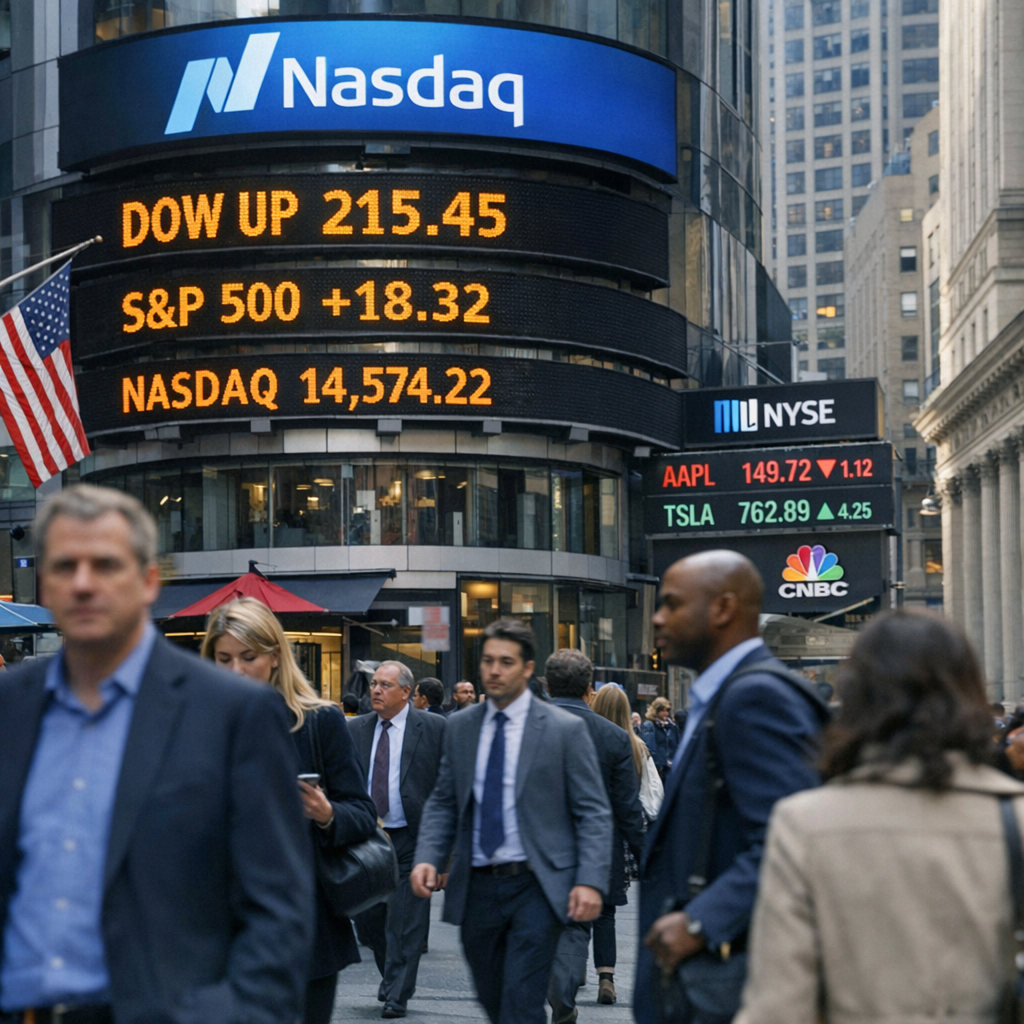
The U.S. economy is experiencing a period of cautious optimism, marked by steady growth and evolving challenges. Recent data indicates an annualized GDP growth of 2.1% in the first quarter, a notable increase from previous estimates. This uptick suggests resilience in economic activities despite global uncertainties.
Labor Market Dynamics
Employment figures remain robust, with the labor market adding jobs, albeit at a moderated pace compared to previous years. This trend reflects a balancing act between sustaining employment levels and adapting to changing economic conditions.
Inflationary Pressures
Inflation rates have shown signs of stabilization, yet they persist above the Federal Reserve’s target. The central bank has maintained interest rates steady, closely monitoring inflation trends and labor market indicators to inform future monetary policy decisions.
Housing Market Developments
In response to housing affordability challenges, Congress is making bipartisan strides to address the housing supply crisis. Efforts are underway to boost the availability of homes, aiming to alleviate the pressures faced by prospective homeowners and renters.
Global Investment Trends
Despite geopolitical uncertainties, the U.S. continues to attract significant foreign investment, particularly in the industrial real estate sector. Asian investors, for instance, view the U.S. market as a stable and lucrative environment for long-term investments.
As the economic landscape evolves, staying informed about these developments is crucial for individuals and businesses alike. Understanding the interplay between growth trends, labor market dynamics, and policy initiatives will aid in navigating the complexities of the current economic environment.